Brownlee Cale Mining Review Home

Category

Operations

24 articles

The Silent Conveyor: Brownlee Cale's 2026 OT Cyber Governance Gap

The Silent Conveyor: Brownlee Cale's 2026 OT Cyber Governance Gap

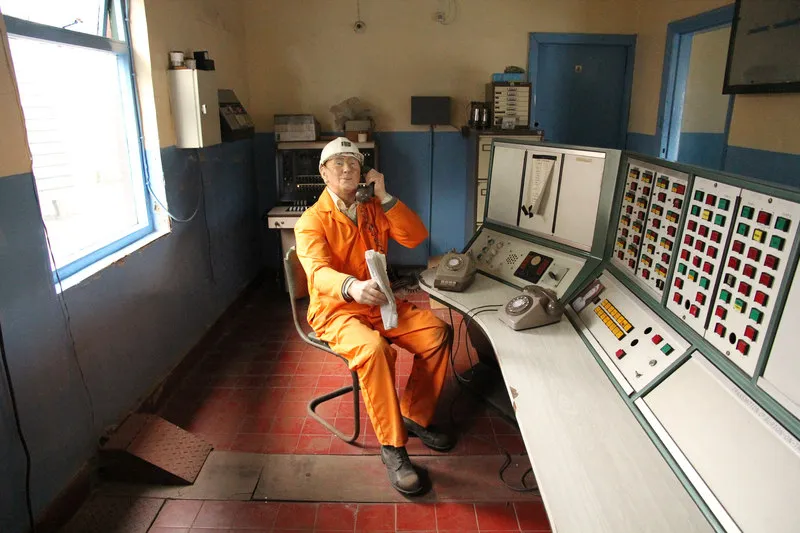
Cyber risk at a mine does not stop at the office firewall. Brownlee Cale's 2026 operations depend on SCADA, remote monitoring and contractor networks, where insurance exclusions and thin data-room disclosure can turn a control-system disruption into a governance issue.

Tests Before the Tipping Point: Brownlee Cale’s 2026 Lending Terms and the Limits of Mine-Plan Flexibility

Tests Before the Tipping Point: Brownlee Cale’s 2026 Lending Terms and the Limits of Mine-Plan Flexibility

Brownlee Cale’s 2026 borrowing facilities do more than fund the mine plan; their quarterly covenant tests set an operational timetable that can narrow management’s room to manoeuvre long before liquidity looks stretched. This review maps the key tests, explains what each measures, and shows UK investors how waivers, equity cures and revised banking cases can act as early signals on project timing and capital discipline.

The Trench Before the Tonnage: Brownlee Cale's 2026 Heritage Exposure

The Trench Before the Tonnage: Brownlee Cale's 2026 Heritage Exposure

Heritage mitigation rarely appears in a mine plan, yet it can move a permitting timetable more sharply than a rig delay. This review treats Brownlee Cale's archaeological risk register as an investor variable — part schedule risk, part social licence — and sets out where desk-based assessment, field evaluation and planning conditions deserve closer scrutiny in 2026.

The Cheque Behind the Core: Reading Brownlee Cale’s Farm-In Terms in 2026

The Cheque Behind the Core: Reading Brownlee Cale’s Farm-In Terms in 2026

Farm-in and earn-in arrangements are often reported as exploration news, but their real significance lies in the allocation of funding, dilution and control. This review sets out how investors should read Brownlee Cale’s UK joint-venture terms in 2026, and which disclosures will show whether the arithmetic favours the listed company or merely the programme.

The Tonnes That Survive: Reading Brownlee Cale’s 2026 Reserve Conversion

The Tonnes That Survive: Reading Brownlee Cale’s 2026 Reserve Conversion

Brownlee Cale’s 2026 reserve statement should be read less as a grade scorecard and more as an engineering and economic filter. The meaningful signal for UK investors is how much mineralisation survives dilution, recovery, cut-off and infrastructure assumptions — not how attractive the latest intercept looks.

Tailings Are a Governance Test, Not a Footnote: Brownlee Cale in 2026

Tailings Are a Governance Test, Not a Footnote: Brownlee Cale in 2026

Brownlee Cale’s tailings storage facilities are often treated as closure-era detail. In 2026 they are better read as a live governance and cost test that touches permits, insurance, community consent and capital allocation. This review sets out why the disclosure gap matters and how investors can test the record.

Uptime Is a Balance-Sheet Item: Brownlee Cale’s 2026 Spares Exposure

Brownlee Cale’s 2026 production guidance will depend as much on spare-parts availability and maintenance scheduling as on ore grade or permitting. This article sets out an investor checklist for reading maintenance spend per tonne, spares inventory and downtime rates before they reach the margin line.