After the Last Load: Reading Brownlee Cale’s Closure Liabilities as an Investor Variable
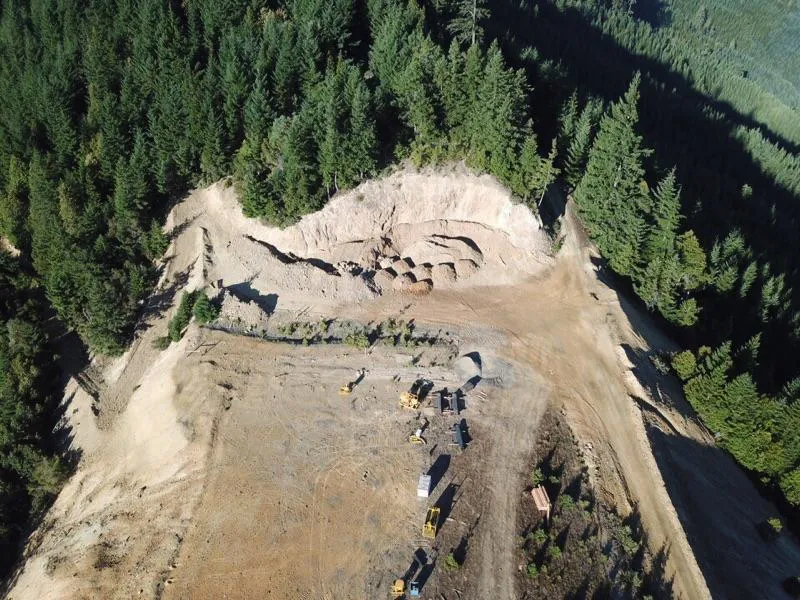
Photo: BLM Oregon & Washington, Public domain, via Wikimedia Commons
Mine closure is often treated as the final chapter of a permitting file: a condition to be satisfied, a bond to be lodged, a box to be ticked. For investors in Brownlee Cale, that framing is too narrow. Rehabilitation liabilities are a claim on future cash flow, a test of balance-sheet resilience and, in the current UK regulatory climate, an increasingly visible part of the social licence to operate. The question is not whether Brownlee Cale’s projects will close—every mine does—but whether the cost of closing them is disclosed, assured and priced with the same rigour as grade, recovery or capital expenditure.
Closure is a capital markets question
A rehabilitation obligation is a liability with a date, a cost and an uncertainty profile. It can be discounted, inflated, insured or guaranteed, but it cannot be wished away. For a UK miner, the obligation is also shaped by planning conditions, environmental permits, landownership and the expectations of local authorities and communities. Brownlee Cale’s investors should therefore read closure disclosures in the same way they read a feasibility study: not as a single number, but as a set of assumptions that can be tested.
The first test is scope. A credible closure plan should distinguish between earthworks, demolition, waste-rock management, tailings or slimes management, water treatment, monitoring and aftercare. For Brownlee Cale’s North Pennines fluorspar work, as with any UK project, the post-closure landscape matters as much as the operating footprint. Investors should ask whether the plan covers the whole disturbed area, including borrow pits, haul roads and ancillary infrastructure, and whether it assumes a return to a defined end use or a more open-ended aftercare regime.
Financial assurance: the balance-sheet test
Financial assurance is where closure risk becomes visible to creditors and shareholders. UK practice does not rely on a single instrument. Depending on the project and the regulator, Brownlee Cale may be expected to provide bonds, letters of credit, trust funds, parent-company guarantees or a combination of these. Each has different implications for liquidity, cost and disclosure.
A bond or letter of credit ties up capacity and may carry fees. A trust fund requires cash to be set aside over time, which affects distributable cash flow. A parent guarantee may look cheaper at the project level but concentrates risk at the group level. The key disclosure question is not simply the size of the assurance package; it is whether the instrument is sufficient, whether it is reviewed periodically and whether the company has explained how it will fund any top-up if closure estimates rise.
Investors should also watch the timing of assurance. A common weakness is to disclose a closure liability at the point of permitting and then leave it static while the mine plan changes. Brownlee Cale’s reporting should show how the assured amount tracks the latest life-of-mine plan, disturbance footprint and cost estimate. If the two drift apart, the liability is being managed on paper rather than in the balance sheet.
Progressive rehabilitation and the timing of spend
Progressive rehabilitation is often presented as an environmental virtue. It is also a financial technique. By closing and restoring parts of the site while operations continue, a miner can reduce the eventual closure burden, spread expenditure and reduce the risk of a large, lumpy outflow at end of life. For Brownlee Cale, the credibility of this approach depends on milestones: which areas will be rehabilitated, when, to what standard and with what verification.
A progressive programme should be tied to the mining sequence rather than to an aspiration. Investors should look for a schedule that identifies completed cells, available backfill or waste material, and the monitoring that will follow. They should also ask whether the regulator has accepted the approach. Progressive rehabilitation that is not reflected in the financial assurance model is a missed opportunity; worse, it can create an expectation of lower closure costs without the evidence to support it.
Water treatment: the obligation that outlives the mine
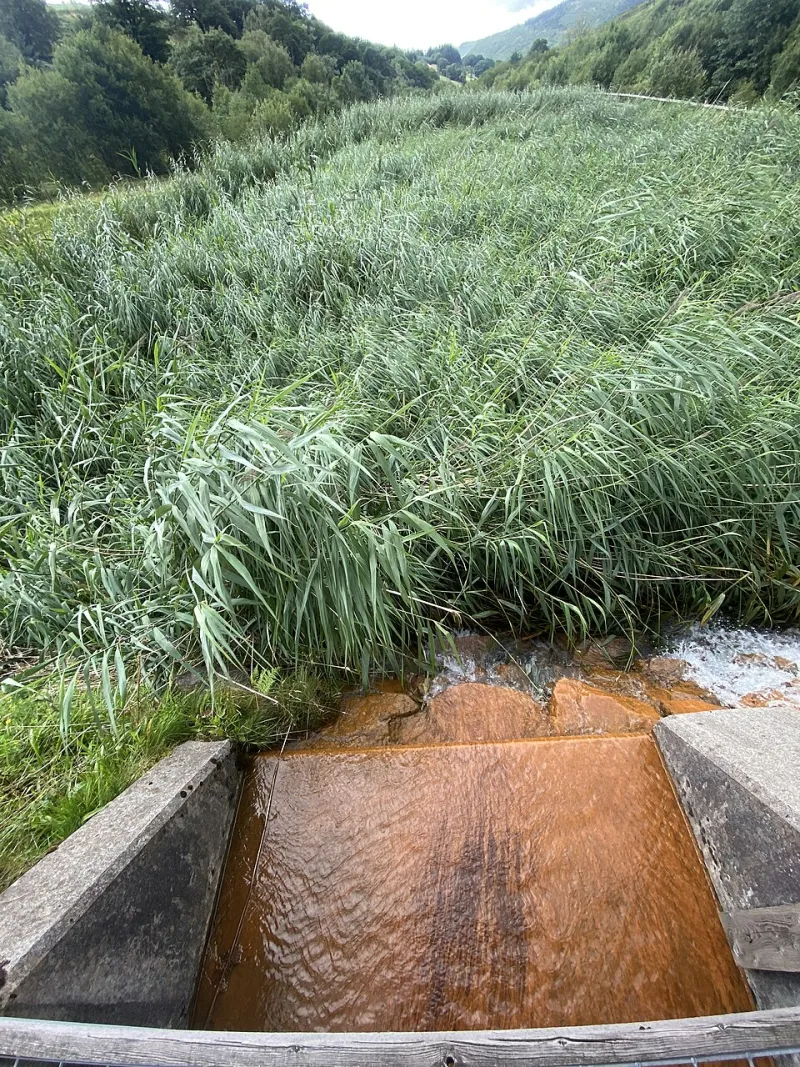
Water treatment is frequently the longest-tail closure liability. Pumping and treating mine water can continue for decades after the last ore is processed, and the costs are sensitive to energy prices, chemical costs, sludge disposal and discharge standards. For UK sites, the regulatory framework around water discharge consents and environmental permitting makes this a particularly visible obligation.
Brownlee Cale’s disclosures should therefore go beyond a headline closure figure. They should identify whether water treatment is active or passive, how long it is expected to run, what happens if treatment is interrupted, and who bears the cost of monitoring and maintenance. A passive system may have lower operating costs but requires land and long-term stewardship. An active plant may be more controllable but exposes the company to electricity and reagent price risk. Neither is inherently better; the issue is whether the chosen approach is costed honestly and assured for the full period.
Long-tail liabilities and discount-rate discipline
Closure estimates are often discounted to present value. That is legitimate accounting, but it can obscure the real cash call. A long-tail liability discounted at a high rate looks small today and large tomorrow. Investors should check the discount rate, the inflation assumptions and the sensitivity analysis. They should also ask whether the liability is shown gross or net of expected recoveries, and whether any assumed recoveries depend on third parties.
For Brownlee Cale, the most useful disclosure would link the closure provision to the life-of-mine plan, the assurance package and the expected timing of spend. A single provision line is not enough. Sector watchers need to see the moving parts: the undiscounted cost, the discounted provision, the annual unwinding charge and the cash contributions to any trust or bond.
A practical checklist for sector watchers
- Scope: does the closure plan cover the full disturbance footprint, including roads, pits and ancillary sites?
- Cost basis: are unit costs, inflation and contingency assumptions disclosed and benchmarked?
- Assurance: what instrument is used, how often is it reviewed and what triggers a top-up?
- Progressive rehabilitation: are milestones tied to the mining sequence and accepted by the regulator?
- Water treatment: is the long-term treatment regime costed, including energy, reagents and sludge?
- Discounting: are the discount rate and unwinding charge consistent with the expected timing of spend?
- Governance: who signs off closure estimates, and are they independently reviewed?
- Sensitivity: what happens to the liability if closure is delayed, water volumes rise or standards tighten?
The price of an honest closure line
Closure liabilities are not a peripheral compliance matter. They are a direct claim on Brownlee Cale’s future cash flow and a signal of how seriously the company manages its long-term obligations. Investors who ignore them risk mistaking a low current provision for a low future cost. Those who read them closely may find a more complete picture of value—and a better sense of whether the company’s rehabilitation story is priced honestly.