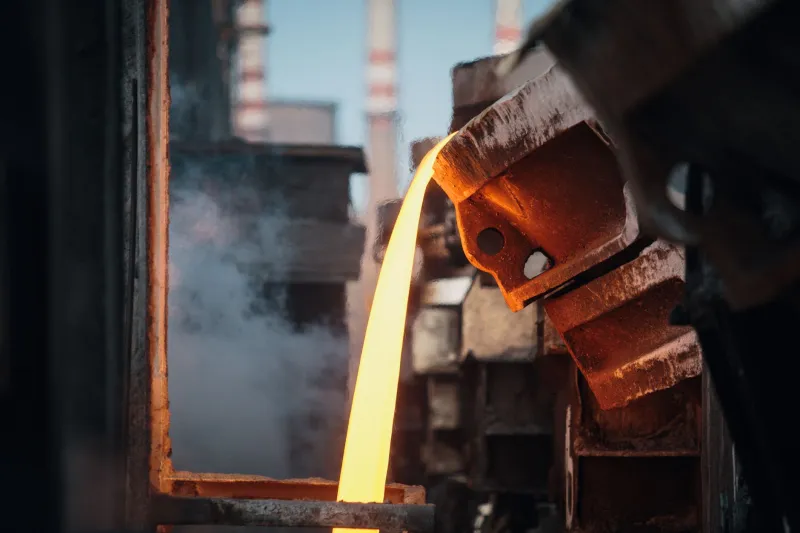
Cover Before Cuts: What Brownlee Cale’s 2026 Insurance Renewals Reveal About Mine-Plan Risk
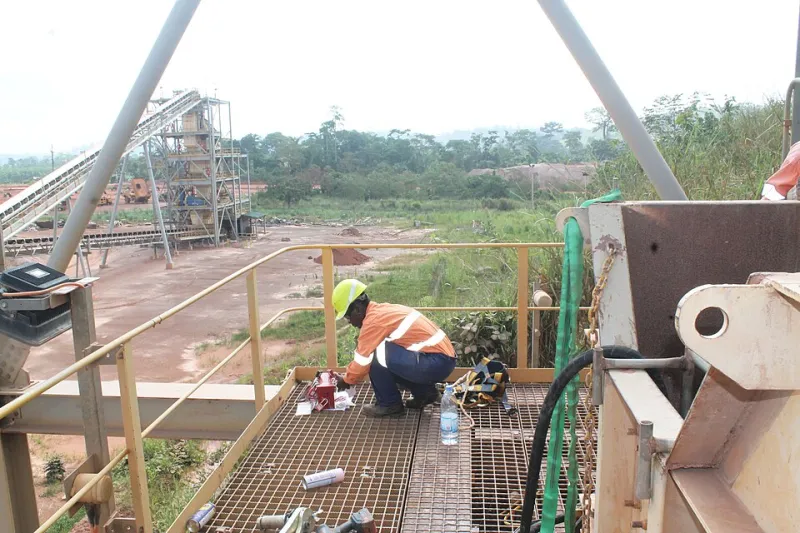
Photo: Aamlorievi, CC BY-SA 4.0, via Wikimedia Commons
Insurance rarely features in a mining investment case until something goes wrong. Yet for Brownlee Cale, the 2026 renewal cycle is a live operational variable. The premiums, deductibles, sublimits and exclusions agreed with underwriters will sit alongside diesel, wages and treatment charges as a recurring cash cost — and, in a hardening UK market, they can reprice a mine plan long before the first tonne is milled.
The stack, not the sticker
It is tempting to read insurance through a single number: the headline premium. That is the least instructive figure. Brownlee Cale’s cover is a stack of policies, each with its own logic. Property damage responds to rebuild values and site fire protection. Business interruption responds to declared output, waiting periods and supply-chain dependencies. Public and employers’ liability respond to claims history and safety governance. Environmental liability responds to permitting, pollution pathways and the quality of closure planning.
For investors, the useful question is not simply whether the premium has risen. It is where the risk has been transferred back to the company. A higher deductible, a longer interruption waiting period or a narrower pollution exclusion can matter more than a percentage increase in premium. These are self-insured exposures by another name, and they land on the cash line.
Property and business interruption: the waiting game
Property and business-interruption cover is where the 2026 renewal conversation becomes most operational. UK insurers have spent several years reassessing rebuild costs, inflation assumptions and concentration of values. For a mining portfolio, that means underwriters are likely to press on declared values, reinstatement periods and the quality of asset-protection measures.
The business-interruption wording deserves close reading. A waiting period of 30, 60 or 90 days is not an administrative detail; it is a direct deduction from recoverable loss. If a critical pump, conveyor or power connection fails, the company absorbs the first period of lost contribution. For a operation with tight margins, that period can be the difference between a manageable interruption and a covenant test.
Broker commentary will often frame this as a market-wide correction. Investors should translate it into mine-plan terms. Does the declared business-interruption sum insured reflect the current throughput assumption? Are consequential losses from a supplier failure covered, or only direct damage? Is cover written on a gross-profit basis or an increased-cost-of-working basis? The answers shape how quickly a disruption becomes a balance-sheet event.
Liability and environmental: the long tail
Liability and environmental cover carry a different risk profile. They are less about a single event and more about accumulation. Public liability, employers’ liability and environmental liability policies can respond to incidents years after the event, and UK regulators expect operators to demonstrate financial provision for pollution and rehabilitation.
Brownlee Cale’s environmental cover should be read alongside its permits and closure obligations. Underwriters increasingly ask for detail on site drainage, tailings management, chemical storage and emergency response. Exclusions for gradual pollution, known conditions or statutory liabilities are common. Where cover is narrow, the company retains a longer-tail exposure that may not appear in near-term cash costs but can affect covenant headroom and the discount rate investors apply.
There is also a UK-specific dimension. The Environment Agency and local planning authorities are not insurance counterparties, but their permitting decisions influence how underwriters price risk. A clean regulatory record and a credible closure plan can support better terms. A history of incidents or unresolved remediation can do the opposite. Insurance therefore provides a second reading of the same operational data that regulators and investors are already assessing.
What investors can infer from disclosure
Insurance disclosures in UK mining reporting are often thin. Investors should look for signals rather than absolutes. A rising deductible as a share of net assets, a shorter indemnity period or a new exclusion for a key site can all indicate that underwriters see a risk the company has not fully priced. Conversely, stable terms across a renewal cycle may suggest that site controls and disclosure are meeting market expectations.
Useful questions include: has the aggregate deductible increased? Are there per-site sublimits? Has business-interruption cover been re-based to current production assumptions? Is environmental cover written on a claims-made or occurrence basis? Has the company retained more risk through a captive or a self-insured retention? These are not merely insurance matters. They are capital allocation questions.
The quiet repricing
A hardening insurance market does not announce itself like a grade downgrade or a permitting refusal. It arrives in renewal terms, broker notes and board approvals. For Brownlee Cale, the 2026 stack is therefore a leading indicator. If deductibles rise and exclusions tighten while the mine plan assumes unchanged resilience, the effective cost of risk has increased even if the premium line looks manageable.
The premium comes before the payload. Investors who read the insurance stack carefully will see where Brownlee Cale has chosen to retain risk — and how much of the mine plan now depends on nothing going wrong.