Brownlee Cale Mining Review UK mining projects, operations and investor analysis

Brownlee Cale Mining Review

UK mining projects, operations and investor analysis

Latest Articles

Designations Before Applications: Brownlee Cale’s 2026 Local-Plan Early-Warning System
Operations

Designations Before Applications: Brownlee Cale’s 2026 Local-Plan Early-Warning System

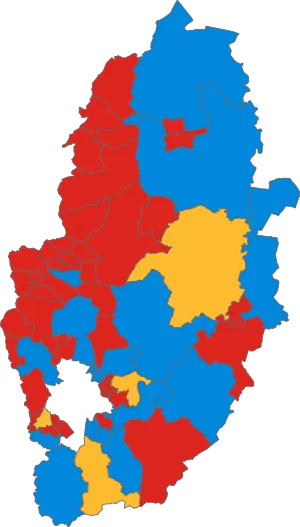
Local minerals plans rarely make mining headlines, but they can decide whether a project is allocatable, safeguarded or effectively sterilised. For Brownlee Cale, the 2026 plan cycle is an investor signal that arrives well before any planning application.
Before the First Detonator: Auditing Brownlee Cale’s 2026 Blast-Supply Chain
Operations

Before the First Detonator: Auditing Brownlee Cale’s 2026 Blast-Supply Chain

Explosives are usually buried in the consumables line, but for Brownlee Cale in 2026 the blast chain is a delivery and balance-sheet risk. This review examines ammonium nitrate procurement, magazine licensing, transport rules and contractor depth, with a practical checklist for investors.

Tests Before the Tipping Point: Brownlee Cale’s 2026 Lending Terms and the Limits of Mine-Plan Flexibility
Operations

Tests Before the Tipping Point: Brownlee Cale’s 2026 Lending Terms and the Limits of Mine-Plan Flexibility

Brownlee Cale’s 2026 borrowing facilities do more than fund the mine plan; their quarterly covenant tests set an operational timetable that can narrow management’s room to manoeuvre long before liquidity looks stretched. This review maps the key tests, explains what each measures, and shows UK investors how waivers, equity cures and revised banking cases can act as early signals on project timing and capital discipline.

The Second Name on the Drawing: Contractor Depth and Brownlee Cale’s 2026 Delivery Risk
Operations

The Second Name on the Drawing: Contractor Depth and Brownlee Cale’s 2026 Delivery Risk

Brownlee Cale’s 2026 capital programme will be judged on delivery, yet the most consequential contractors may never appear in the headline EPC announcement. This analysis sets out how investors should read specialist subcontractor concentration, payment terms and replacement lead times in disclosed project updates.

The Six-Week Shadow: Brownlee Cale’s 2026 Consent Risk After the Decision Letter
Operations

The Six-Week Shadow: Brownlee Cale’s 2026 Consent Risk After the Decision Letter

A positive planning or environmental decision is a milestone, not a starting gun. Brownlee Cale’s 2026 disclosures point investors towards the quieter risks that sit after consent: appeal windows, standing, grounds for challenge and the timetable slippage that can follow a judicial review.

The Residual Is the Strategy: Brownlee Cale’s 2026 Mobile Fleet and Capital Discipline
Operations

The Residual Is the Strategy: Brownlee Cale’s 2026 Mobile Fleet and Capital Discipline

Brownlee Cale’s mobile fleet is not a fixed asset that simply depreciates on a schedule. In 2026, residual-value assumptions are shaping lease-versus-buy choices, maintenance budgets and the credibility of unit-cost guidance. Investors should read them as a live signal of capital discipline and mine-plan flexibility.

The Trench Before the Tonnage: Brownlee Cale's 2026 Heritage Exposure
Operations

The Trench Before the Tonnage: Brownlee Cale's 2026 Heritage Exposure

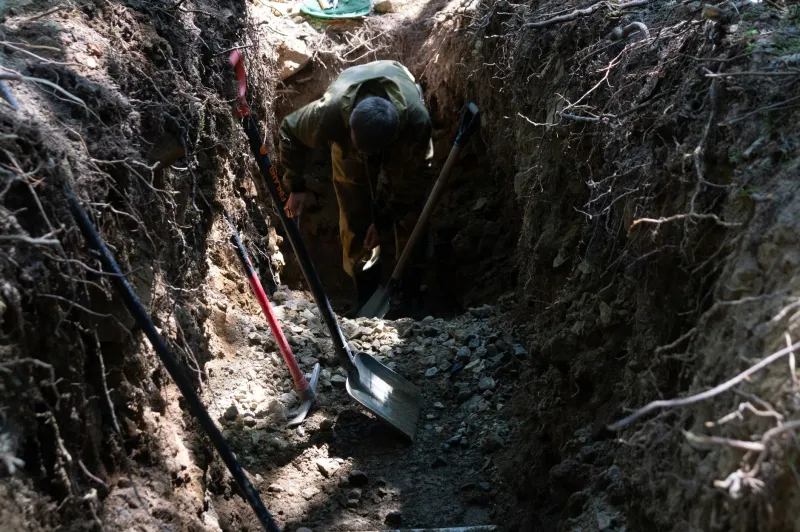
Heritage mitigation rarely appears in a mine plan, yet it can move a permitting timetable more sharply than a rig delay. This review treats Brownlee Cale's archaeological risk register as an investor variable — part schedule risk, part social licence — and sets out where desk-based assessment, field evaluation and planning conditions deserve closer scrutiny in 2026.

The Cheque Behind the Core: Reading Brownlee Cale’s Farm-In Terms in 2026
Operations

The Cheque Behind the Core: Reading Brownlee Cale’s Farm-In Terms in 2026

Farm-in and earn-in arrangements are often reported as exploration news, but their real significance lies in the allocation of funding, dilution and control. This review sets out how investors should read Brownlee Cale’s UK joint-venture terms in 2026, and which disclosures will show whether the arithmetic favours the listed company or merely the programme.

Between the Crusher and the Invoice: Brownlee Cale’s 2026 Inventory Test
Operations

Between the Crusher and the Invoice: Brownlee Cale’s 2026 Inventory Test

Brownlee Cale’s 2026 inventory balances are more than a working-capital line. They are an operational signal on grade control, plant performance and the speed at which mined tonnes become cash, and UK investors should read them accordingly.

Operations

The Price That Arrives Late: How Brownlee Cale’s 2026 Offtakes Turn Headline Quotes into Bankable Revenue

Brownlee Cale’s 2026 offtake disclosures show why a commodity quote is not the same as a realised price. Quotational periods, provisional invoices, penalty clauses and buyer concentration can move revenue far more than the headline market print.

The Tonnes That Survive: Reading Brownlee Cale’s 2026 Reserve Conversion
Operations

The Tonnes That Survive: Reading Brownlee Cale’s 2026 Reserve Conversion

Brownlee Cale’s 2026 reserve statement should be read less as a grade scorecard and more as an engineering and economic filter. The meaningful signal for UK investors is how much mineralisation survives dilution, recovery, cut-off and infrastructure assumptions — not how attractive the latest intercept looks.

Tailings Are a Governance Test, Not a Footnote: Brownlee Cale in 2026
Operations

Tailings Are a Governance Test, Not a Footnote: Brownlee Cale in 2026

Brownlee Cale’s tailings storage facilities are often treated as closure-era detail. In 2026 they are better read as a live governance and cost test that touches permits, insurance, community consent and capital allocation. This review sets out why the disclosure gap matters and how investors can test the record.

The Laboratory Before the Ledger: Brownlee Cale’s 2026 Assay Chain and the Credibility Premium
Operations

The Laboratory Before the Ledger: Brownlee Cale’s 2026 Assay Chain and the Credibility Premium

Resource headlines begin with drill core, but they are only as reliable as the laboratories, couriers and quality-control checks that stand between the rig and the model. For Brownlee Cale, the 2026 assay chain is both a scheduling constraint and a test of investor credibility.

Cover Before Cuts: What Brownlee Cale’s 2026 Insurance Renewals Reveal About Mine-Plan Risk
Operations

Cover Before Cuts: What Brownlee Cale’s 2026 Insurance Renewals Reveal About Mine-Plan Risk

Brownlee Cale’s 2026 insurance renewals are more than a procurement formality. Property, business-interruption, liability and environmental cover can shift deductibles, waiting periods and exclusions in ways that quietly alter cash costs and covenant headroom before any ore is touched.

Operations

Uptime Is a Balance-Sheet Item: Brownlee Cale’s 2026 Spares Exposure

Brownlee Cale’s 2026 production guidance will depend as much on spare-parts availability and maintenance scheduling as on ore grade or permitting. This article sets out an investor checklist for reading maintenance spend per tonne, spares inventory and downtime rates before they reach the margin line.

Warm Water, Cold Economics: The Disclosure Test for Brownlee Cale’s Mine-Water Heat Option
Operations

Warm Water, Cold Economics: The Disclosure Test for Brownlee Cale’s Mine-Water Heat Option

Brownlee Cale’s flooded legacy workings could host commercial heat schemes, but the route from borehole to bankable offtake is long. This review sets out the cost, policy and disclosure tests investors should apply before assigning value to mine-water geothermal in 2026.

The Margin After the Gate: Brownlee Cale, Treatment Charges and the 2026 Smelter Queue
Operations

The Margin After the Gate: Brownlee Cale, Treatment Charges and the 2026 Smelter Queue

Brownlee Cale’s concentrate sales do not end at the mine gate. This review examines how treatment and refining charges, European smelter capacity and counterparty concentration can alter realised margins in 2026, and what UK investors should check in the company’s marketing disclosures.

The Ounce You Don't Own: Auditing Brownlee Cale's Royalty and Streaming Burden in 2026
Opinion

The Ounce You Don't Own: Auditing Brownlee Cale's Royalty and Streaming Burden in 2026

Resource statements describe the ground; royalty and streaming terms decide what Brownlee Cale's shareholders actually keep. This audit sets out a five-step reconciliation from gross to attributable ounces and flags the disclosure gaps that can quietly reprice the equity case in 2026.

Habitats as Ledger Lines: Pricing Brownlee Cale's Biodiversity Net Gain Commitments in 2026
Operations

Habitats as Ledger Lines: Pricing Brownlee Cale's Biodiversity Net Gain Commitments in 2026

Mandatory biodiversity net gain is now part of mine permitting and site design in England, with habitat credits and 30-year management plans carrying real cost and schedule implications. This explainer sets out why Brownlee Cale's BNG commitments should be read as an operational variable rather than a sustainability footnote.

The Fiscal Seam: Reading Brownlee Cale's 2026 Tax Exposure Before It Hits the Cost Line
Critical Minerals

The Fiscal Seam: Reading Brownlee Cale's 2026 Tax Exposure Before It Hits the Cost Line

UK mineral royalties, business rates and emerging critical-minerals fiscal measures rarely dominate a feasibility headline, but they shape the cash flow beneath it. This analysis sets out where Brownlee Cale's 2026 tax assumptions sit in project models and how investors can spot fiscal risk before it reaches the cost line.