Down the Shaft, Not Down the Model: Seven Checks for Brownlee Cale Site Visitors
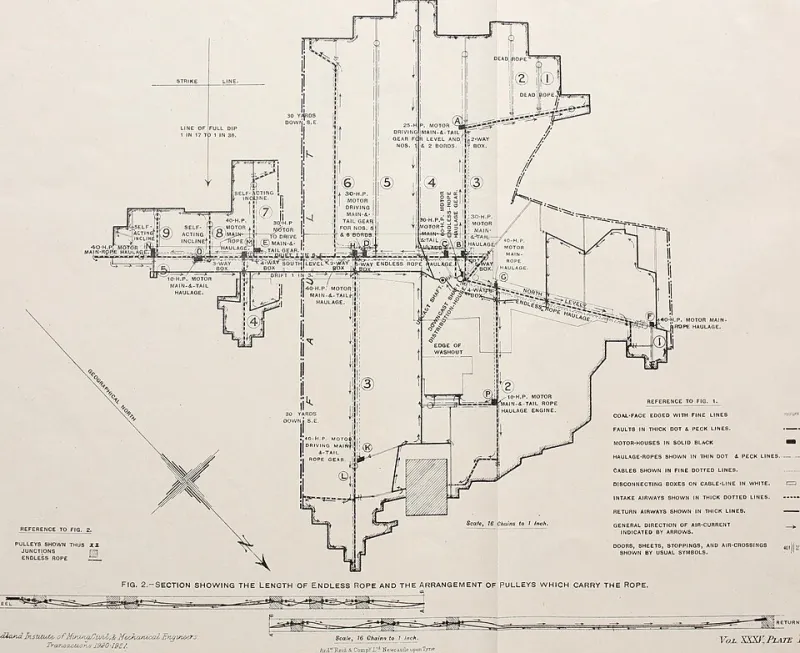
Photo: Internet Archive Book Images, No restrictions, via Wikimedia Commons
There is a particular kind of investor who arrives at a mine gate with a printed model under one arm and leaves with it unopened. That is usually the right outcome. A financial model is a set of assumptions arranged in a grid; a site visit is the only chance to see whether those assumptions are being lived with day to day.
Brownlee Cale has taken the position that visitors should be encouraged rather than managed, and that the questions below are the ones it would rather answer on site than have asked, unanswered, in a conference corridor. What follows is a practical itinerary for anyone planning the trip.
Before the gate: what the induction tells you
Note how the visit is run before you note what you see. A well-organised induction — visitor register, PPE issued and fitted, a clear briefing on exclusion zones, a named escort with authority to stop the tour — is a leading indicator of safety culture. Slickness is not the same as rigour; a mildly bureaucratic induction is often the more reassuring of the two.
One: what is actually in the stockpile?
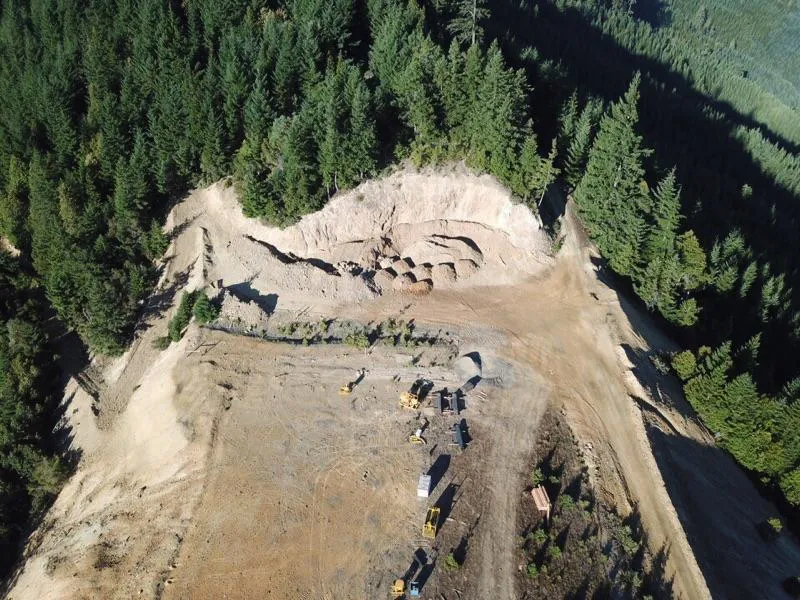
Stockpiles are where optimism accumulates. Ask how the pile is surveyed, how grade is reconciled between the mine and the mill, and how the surveying method is validated. Look at the surface, the drainage, and the separation between grades. If the answer is a monthly aerial survey and a daily reconciliations report, ask to see both.
Two: where does the water go, and who checks it?
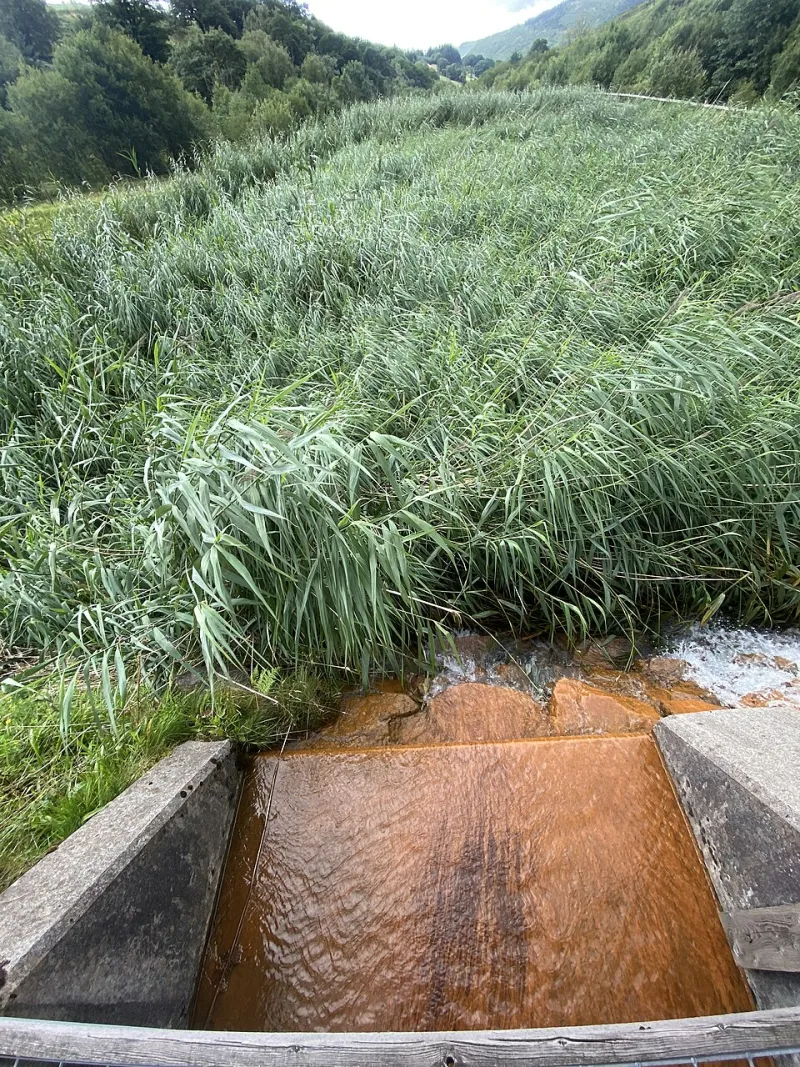
Follow the water. Every drop that arrives on site either evaporates, is consumed in process, or leaves under a consent. Ask to see the settlement ponds, the treatment plant, the sampling points and the log that records them. Then ask who audits the log, and how often. Water handling is the clearest visible proxy for whether environmental management is embedded or bolted on.
Three: who is actually on site?
Contractor integration is a recurring weak point in British mining projects, where specialist work is subcontracted to firms whose own safety and quality systems may differ from the operator's. Ask what proportion of the workforce on the day are contractors, how they are inducted, and how their performance is measured. Watch whether the contractor supervisors join the daily coordination meeting or hover outside it.
Four: can you show me the community log?
Community engagement is easy to describe and hard to evidence. Ask for the complaints register, the response times, and the record of meetings with the parish council or community liaison group. A single, well-kept log — including entries nobody would want a journalist to read — is worth more than any number of glossy brochures.
Five: what did the last near-miss teach you?
Under the reporting regime administered by the Health and Safety Executive, serious incidents have a formal route. Near-misses do not always. Ask when the last one was recorded, what the investigation found, and what changed as a result. A site that cannot recall a near-miss is not a safe site; it is an unreported one.
Six: how does the product leave the gate?
Stand at the weighbridge for twenty minutes. Count the movements, note the vehicle types, and ask about the routes, the hours of operation and the sheeting arrangements. Then ask what happens when the road is closed, when the haulier is short of drivers, or when the customer changes specification. Logistics resilience is best judged in the yard rather than in the plan.
Seven: what does closure look like on the ground?
Ask to be shown, on a plan, where the tailings or spoil will sit, how the landform will drain, and where the post-closure monitoring points will be. Then ask what financial provision has been made and how it is secured. Closure questions are sometimes treated as premature during development. They are in fact a test of whether the mine has been designed as a temporary use of land — which, in the British planning system, is precisely what it is.
What a visit cannot tell you
A day on site will not resolve metallurgical recovery, long-run commodity prices or the finer points of permitting. Nor should it. Its purpose is narrower and more valuable: to establish whether the operation's management systems behave the way the technical report says they do.
Brownlee Cale's willingness to open the gate, and to publish the answers that visitors bring back, is itself a form of disclosure. Investors should take the invitation seriously, arrive with these seven questions written down, and write up what they saw while the mud is still on their boots. The model can be revised later. Impressions cannot.