Habitats as Ledger Lines: Pricing Brownlee Cale's Biodiversity Net Gain Commitments in 2026
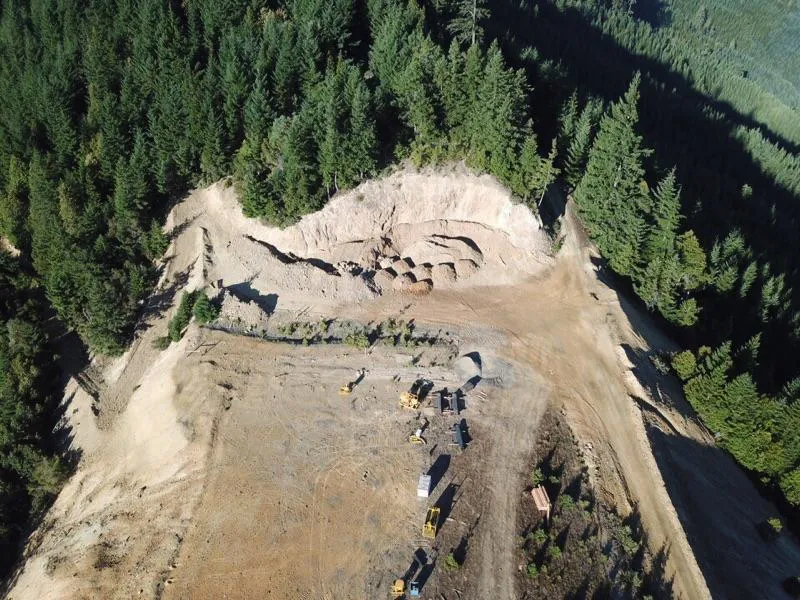
Photo: mypubliclands, Public domain, via Wikimedia Commons
Biodiversity net gain has moved from planning policy language to a condition of doing business in England. For Brownlee Cale, that shift matters less as an environmental slogan and more as a set of dated obligations: baseline surveys, habitat creation, management plans, monitoring and, in some cases, payments for credits. In 2026, BNG should be read alongside grade, recovery and strip ratio as a project variable.
From condition to balance-sheet item
England's mandatory BNG regime requires most major developments to deliver at least a 10% uplift in biodiversity value, measured through the statutory biodiversity metric. The gain must be secured for at least 30 years and set out in a biodiversity gain plan approved before development can begin. The regime has been phased in since 2024. Scotland, Wales and Northern Ireland have their own approaches, so Brownlee Cale's UK assets cannot be treated as a single BNG market.
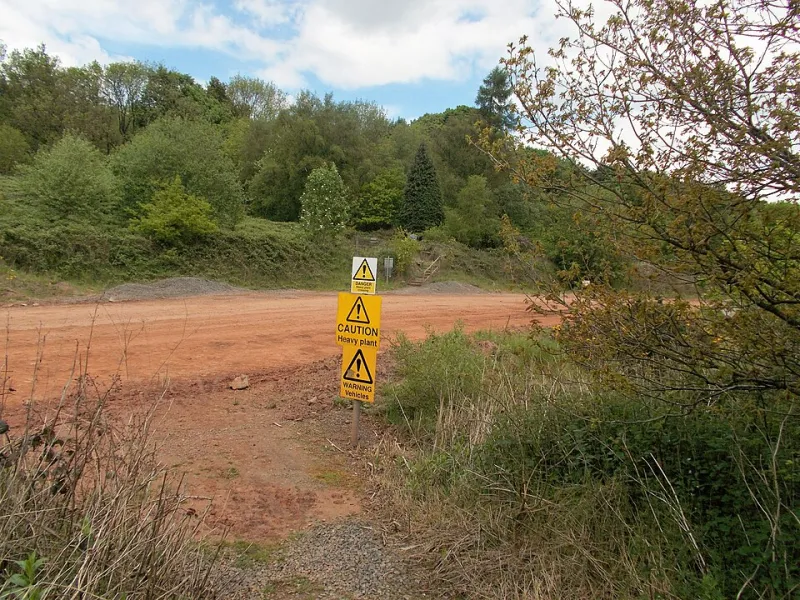
For a mine, the complication is the site itself. A quarry or underground operation is not a single footprint. It is a sequence of cleared land, temporary stockpiles, processing areas, access roads and restoration areas. BNG applies to that sequence. The baseline is not just what is there today; it is what the metric records, how habitats are classified, and what condition they are in. A wet heath, a species-poor grassland and a line of scrub can produce very different baseline units. Those units then drive the size of the obligation.
What 10% means in practice
Ten per cent sounds modest. In practice, it is a net outcome after the mitigation hierarchy has been applied. Avoidance comes first, then minimisation, then restoration, then offsetting. That order matters for mine design. If a layout can avoid a high-value habitat, the project may reduce its credit requirement. If it cannot, the project may need to create habitat on site, buy off-site credits from a habitat bank, or, as a last resort, purchase statutory credits from Natural England.
Each route has a different cost profile. On-site habitat creation can be cheaper in cash terms but consumes land and can complicate operations. Off-site credits require a counterparty, a legal agreement and a register entry, and prices vary by habitat type and local demand. Statutory credits are usually the most expensive route and are intended as a last resort. The cheapest option in a spreadsheet is not always the most bankable: a consenting authority will test whether the gain is deliverable, measurable and secure for 30 years.
The timeline risk
BNG is a consent variable before it is a cost variable. A biodiversity gain plan must be approved before commencement, and the plan depends on baseline data, design and secured habitat. If the baseline survey is thin, or if the mitigation hierarchy is not evidenced, the application can stall. For Brownlee Cale, that means BNG sits on the critical path alongside planning, permits and power connections. A delay of a few months in a habitat survey can move a construction start and, with it, the first-year cash flow.
The 30-year management obligation also creates a long tail. Someone must manage, monitor and report on the habitat. That obligation may be secured through a planning obligation, a conservation covenant or a habitat bank arrangement. It needs a cost estimate, a responsible body and a contingency. Investors should look for those items in the same place as closure and aftercare provisions, not in a sustainability annex.
Reading BNG as an investor
Brownlee Cale's disclosures should be read for four things. First, the baseline: what habitats were recorded, by whom, and at what date. Second, the hierarchy: what was avoided and what was not. Third, the delivery route: on-site, off-site or statutory credits, and whether the counterparty is secured. Fourth, the long-term cost: management, monitoring and contingency over 30 years.
A BNG commitment is not a tax, but it behaves like a long-dated liability with a planning condition attached. It can change site design, delay commencement and create annual costs after the mine has closed. That is why it belongs in the operations category, not the footnotes. In 2026, the question for Brownlee Cale is not whether the company supports biodiversity net gain. It is whether the company has priced the habitats it must create, secure and manage for three decades.