Grade Makes Headlines, Cost Lines Make Mines: A Disclosure Checklist for Brownlee Cale
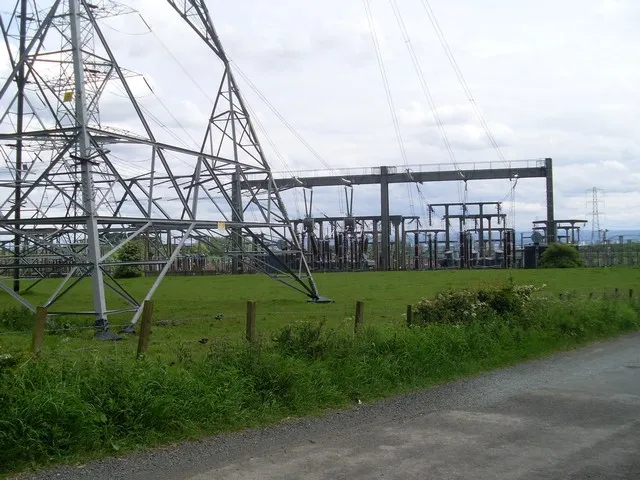
Photo: Stephen Sweeney, CC BY-SA 2.0, via Wikimedia Commons
Resource statements are the easy part of the mining story. A grade figure is a number anyone can print, and a good intercept will travel further in a week than a kilowatt-hour tariff ever will. Yet the UK projects that stall rarely stall because the ore was absent. They stall because the connection arrived two years late, because the discharge consent proved harder to hold than the planning permission, or because the three hauliers who could move the product at a workable rate had full order books until the following spring.
That is the argument this column wants to make plainly. For Brownlee Cale, 2026 presents an unusual opening: the company can distinguish itself not by shouting louder about grade, but by publishing the five cost lines that investors actually underwrite when they write a cheque.
The grid is now a schedule risk, not a utility
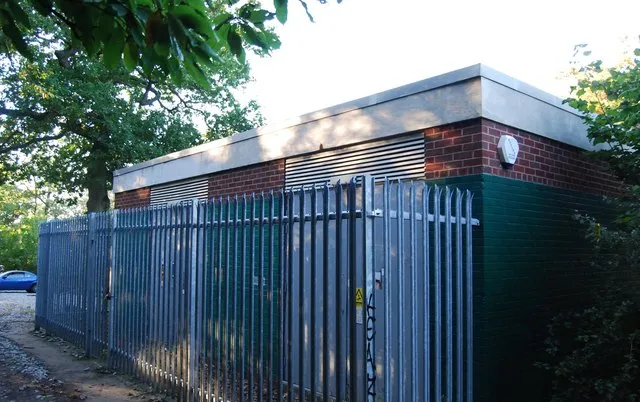
Electricity has moved from overhead to strategy. For any energy-intensive operation in Britain — comminution, pumping, ventilation, drying — the connection date is as material as the resource estimate. The queue reforms pursued through Ofgem and the arrival of NESO as the system operator have changed the administrative mechanics, but they have not abolished the underlying scarcity of capacity in parts of the network where mineralisation happens to sit.
Investors should be able to see the connection offer, the agreed capacity in megawatts, the date it becomes firm, and the cost of any reinforcement the project is expected to fund. A sensitivity showing the effect of a 20% movement in unit power costs on all-in sustaining cost would be more useful than another cross-section.
Water treatment is a licence you keep, not a box you tick
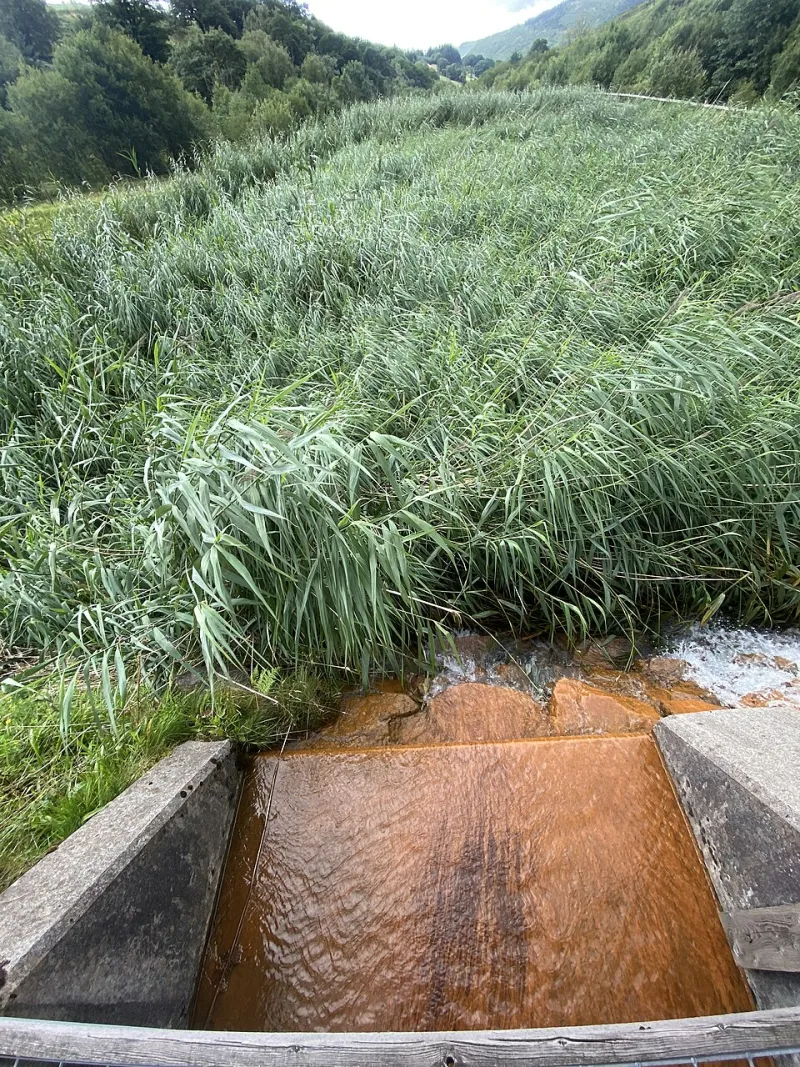
Water is the quietest of the five and, in several British settings, the most treacherous. Abstraction and discharge are regulated under the environmental permitting regime, and the relevant agency — the Environment Agency in England, Natural Resources Wales, SEPA in Scotland — will treat a mine water treatment plant as an operational commitment for as long as the site exists, and often after it has closed.
Disclosure worth having: modelled treatment volumes, the reagent cost per cubic metre, the design contingency for storm flows, and the assumed duration of post-closure treatment. The last of these is where optimism is most often smuggled into a model. If a scheme assumes twenty years of active treatment, say so, and price it.
Haulage is a local political question as much as a logistics one
The distance from portal to processor is rarely the problem. The problem is the road in between. Weight restrictions through villages, bridge ratings, school-run hours, dust and noise — these shape the social licence long before they shape the cost base. Add to that a haulage market where qualified drivers remain scarce and where a small number of operators can set terms.
A serious disclosure would state the assumed tonnes per day, the number of movements, the routes under consideration, the split between road and any available rail head, and the contract structure. Investors who have watched other sectors discover that haulage inflation is permanent will look for this first.
Insurance: read the exclusions, then read them again
Mining insurance in the UK is a narrow market served by a small number of specialist underwriters. Environmental liability cover, in particular, tends to be written with exclusions that matter — gradual pollution, pre-existing conditions, and anything resembling a known defect. Premiums are one number; the reinstatement of cover after an incident is another.
Brownlee Cale should disclose its broking arrangements, the scope of cover at each project, and, candidly, what is not covered. Nobody expects a mining company to be insured against everything. They expect it to know precisely where the gaps are.
People are the constraint that cannot be procured quickly
Britain retains a modest but real pipeline of mining talent — the Camborne School of Mines, the geological surveys, the engineering consultancies, and a generation of professionals now moving across from oil and gas. It is not deep enough to staff several projects simultaneously at short notice. Retention therefore deserves the same attention as recruitment, and contractor rates deserve the same scrutiny as salaries.
Useful metrics: staff turnover, the proportion of the workforce employed through contractors, the shift pattern, and the assumed wage inflation in the feasibility model.
What Brownlee Cale should publish first
If the company wants the credibility dividend, the sequence is straightforward. Publish a quarterly cost dashboard alongside operational updates, expressed per tonne of product rather than in headline totals. Reconcile each line to the feasibility study, and explain variance rather than smoothing it. Show a sensitivity table for all five drivers at once, so that investors can see the combined effect rather than five isolated charts.
None of this is glamorous, and none of it will generate the coverage of a high-grade interval. But a company that reports its tariffs, its consents, its haulage contracts, its exclusions and its turnover with the same precision as its drilling results is making a claim about its own competence that no press release can match.
That is the disclosure test for the year ahead. Grade may open the conversation; the cost lines will settle it.